
Low-dose naltrexone (LDN) is attracting research interest for symptom support and its effects on cancer-related biological pathways. Exploring these possibilities begins with an individual conversation about your care, your goals, and the evidence.
A thoughtful approach to supportive care
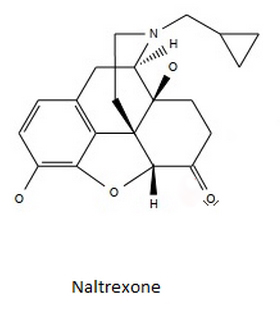
LDN refers to naltrexone used at lower doses than those used in standard addiction treatment. Researchers are exploring how these lower doses affect inflammatory signalling and opioid-related regulatory pathways. Its use in cancer care is off-label and should be considered with a prescribing clinician.
Encouraging research directions
An early patient series reported promising experiences with LDN for persistent cancer-related or treatment-related pain. Laboratory and animal studies have also identified effects on cancer-cell growth and responses to certain treatment combinations. The selected studies below explain what was observed and distinguish patient experiences from preclinical findings.
Explore your options with our team
A consultation can help you understand how the research relates to your diagnosis, symptoms and current treatment plan. A prescribing clinician should review your medications, especially opioid pain medicines, before LDN is considered.
Read about our integrative care approach, learn what to expect at your first visit, or contact LEMMO Integrated Cancer Care to discuss your next step.
Studies & further reading
Selected publications for patients who want to explore the research. Each finding applies to the study’s own population, protocol and stage of evidence; your care team can help you understand what may be relevant to you.
This review brings together proposed mechanisms and early evidence for low-dose naltrexone in cancer care. It describes promising research directions and supports further clinical investigation.
This review summarizes laboratory and early clinical research into low-dose naltrexone and opioid-related growth pathways. It identifies potential applications that warrant more rigorous patient studies.
This case series reports encouraging early experience using low-dose naltrexone for persistent cancer-related or treatment-related pain. It supports larger prospective studies of symptom relief.
This systematic review evaluates findings from human studies, animal models and cell cultures. It outlines encouraging signals and the evidence needed to define naltrexone’s role in cancer care.