
Loco-Regional Hyperthermia (LRHT) uses a heat-producing energy field (i.e. capacitive, 13.56 MHz) to locally target an area or region on or within the body that contains the cancer or tumor(s). Temperatures above 39 C and up to 44 C (102 to 111 F) in tumors are key in providing clinical benefit, while preserving normal tissue, according to European hyperthermia oncology guidelines (i.e. European Society of Hyperthermic Oncology).
Medical centres and hospitals throughout the world use this kind of LRTH technology to enhance the potential positive benefits of radiation and chemotherapy. Data is also emerging on its use along side targeted therapy and immune therapy treatment.
LRHT medical device has the ability to target superficial cancers of the body closer to the skin such as in:
- the head & neck area and surrounding lymph nodes, breast, chest wall, esophagus, superficial malignant sites (i.e. melanoma).
AND to also effectively target deep cancer-involved areas found deep within the chest, abdomen, and pelvis which include the:
- bladder, cervix, rectum & colon, kidneys, liver and gallbladder, lungs, ovaries, uterus, pancreas, peritoneum, prostate, stomach, and deep within the bones, lymph nodes, surrounding soft tissues (i.e. sarcoma).
AND to also target the brain.
Moreover there are discussions occurring that the potential added benefit of LRTH is the electro-magnetic field, independent of the heat generation, creating a type of tumor treating field effect.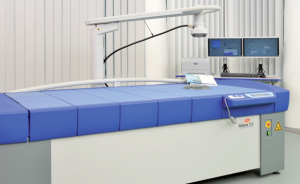
Studies & further reading
Selected publications for patients who want to explore the research. Each finding applies to the study’s own population, protocol and stage of evidence; your care team can help you understand what may be relevant to you.
Forty-nine patients received regional deep hyperthermia with chemoradiation and chemotherapy. The investigators reported encouraging response and downstaging results and called for prospective randomized studies to confirm them.
This translational study examined tumour immune changes in people receiving chemotherapy with or without regional hyperthermia for localized high-risk soft-tissue sarcoma. It helps explain how this specific combined approach may interact with the tumour immune environment.
This phase II study evaluated hyperthermia added to salvage chemoradiotherapy in a selected group with previously irradiated, unresectable recurrent head and neck cancer. The reported response results were encouraging and support further controlled study.